

Permanent + Agriculture = Permaculture
One man stands alone against an army. He begs for help and it comes in the form of machines and chemicals, the latest and greatest man-made weapons. But none of them change the fact that he is fighting an army alone. Despite his best efforts and the help of technology, eventually he can’t fight alone anymore.
The single soldier falls.
This is “traditional” agriculture.
Mono-cropping — planting a single crop with no diversity or natural support — looks like acre after acre of the same plant in tidy rows. The health of those plants is entirely dependent on synthetic pesticides, herbicides, and fertilizers. It is an unnatural and unsustainable existence.
Permaculture is a holistic approach to land management and cultivation that views the natural world as an interconnected system. One that can be healthy enough to be self-sustaining given proper design and time.
So, if permaculture is meant to grow healthy and happy plants, then why do we see so many farms with acres and acres of the same plant and no biodiversity?
The short answer is that our current commercial agricultural systems were designed to produce as much volume as possible. Quality is lower down the priorities list.
Permaculture means designing with nature in mind
Permaculture is the practice of mimicking earth’s systems by designing your growing space with the aim of creating a self-sustaining ecosystem that needs less human intervention over time, not more. This means that when you are designing your growing space, you must take into account all potential inputs – space, light, flora, fauna, water, the changing seasons, and what’s readily available on the land.
The top goal of a permaculture system itself is a permanent cycle of life supporting life. Plants are chosen to support one another, attract beneficial insects and wildlife, and even ward off potential pests and diseases. But the point is that none of them have to survive alone.
The first step in setting up a successful permaculture system is to choose your location wisely. To do that, you need to observe before you act.
Choosing the right location for Permaculture systems.
Permaculture ecosystems, also known as “guilds”, are designed with intention and must take into account the larger picture before a single seed is planted. In fact, it is recommended to observe the space you wish to cultivate for at least a year before choosing your plants and their locations. Within that year, the designer must take note of the sun’s positioning across the landscape, which way the prevailing winds blow, annual rainfall, average temperature each season, where native animals choose to spend their time and how they travel, and all this information is only the beginning.
Context is everything and permaculture is no exception. Knowing your land is essential to the plan.
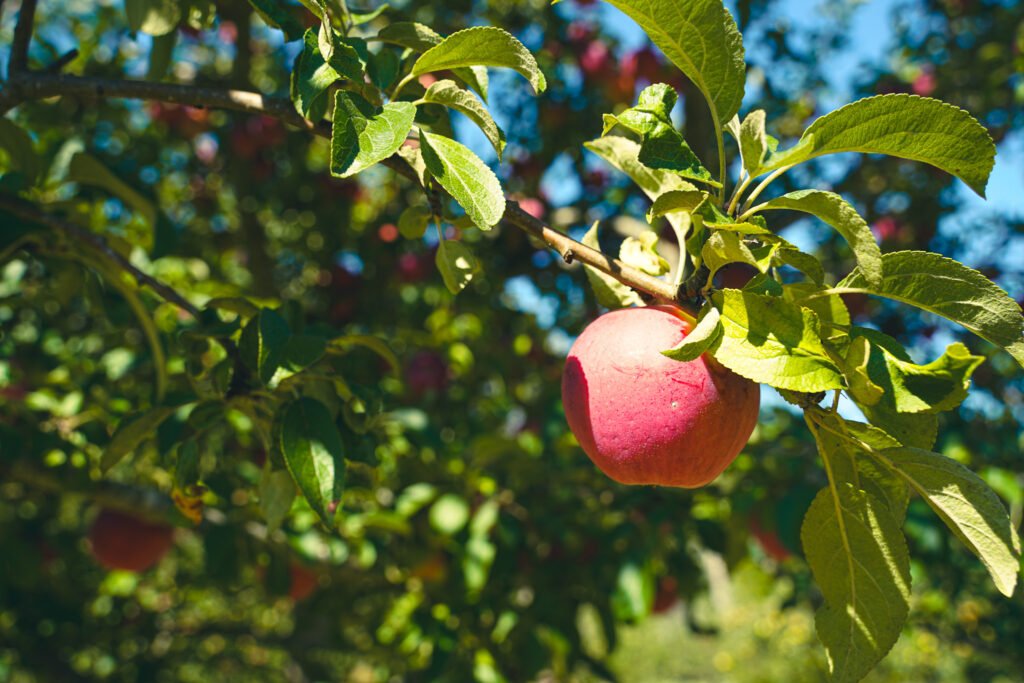
One Common Example: The Apple Tree Guild
In permaculture, a “guild” is a carefully chosen group of plants that are grown together for their mutually beneficial properties. The rules are very simple: everything that is grown together, plays well together.
Let’s say you’re planting an apple tree sapling and you want to protect it, help it grow, and find ways to increase your apple yields as the tree matures. Permaculture is perfect for this project.
To protect the apple sapling, let’s plant some daffodils around the base to help keep grasses, that can shelter pests, from growing too close to the trunk. Next, we will add a chive plant or two to ward off moles and other rodents that don’t care for their strong scent. Finally, we will plant Comfrey to shade out weeds and dynamically accumulate trace minerals and nutrients with its long taproot.
Over time, our little band of misfits will work together to feed the soil surrounding the tree, attract pollinators to give us more apples, ward off pests and disease, and help our small sapling to grow into a large fruit tree that will help to feed us for years to come. Instead of planting a single tree to stand alone against the rigors of the world, we built up a natural immune system and a neighborhood of caretakers that will help our tree to thrive with less and less of our time and attention. All because we took the time to look at the apple tree as a system rather than a single, stand-alone object.
diversity is key to life
Our friend from the beginning – the lonely warrior – chose to fight alone and tried to make up for their shortcomings with chemical inputs and brute force. In the end, he wound up worse off than before and lost his war anyway. Now imagine if he had sought systems and support from others who each brought unique skills and strengths to grow together and become a stronger and stronger force that was safe because they worked together. What could the outcome have been?
Recommended Resources:
If you’d like to learn more about permaculture design principles and how to use them, we highly recommend…
- Gaia’s Garden: A Guide To Home-Scale Permaculture by Toby Hemenway. Pick up a copy from your local public library or grab a used copy from Thriftbooks.com by clicking here.
- Here’s a great 15 minute video touring a well established and stunning permaculture garden
- To learn more about our growing practices here on Capella Farm, check out our About page